
Learning the Rules
Overview
Keeping the Game Fair and Safe
The rules of lacrosse govern games and equipment, and are designed to do two things – promote fair play and keep players safe.
USA Lacrosse works collaboratively with the National Federation of State High School Associations (NFHS) and the National Collegiate Athletic Association (NCAA) to write the rules for the sport, and the organizations often work together on rule development and player safety efforts. USA Lacrosse also publishes rules to govern box lacrosse and sixes lacrosse.
USA Lacrosse writes and publishes youth guidebooks for ages 14U and below, featuring age-appropriate guidelines. USA Lacrosse collaborates with the NFHS on the rules for high school boys' and girls' lacrosse. The NCAA writes the rules for varsity collegiate play, with modifications by USA Lacrosse for use by collegiate non-varsity (or club) and post-collegiate in women’s lacrosse.
Rules Interpretation Webinars
Before the start of every season, USA Lacrosse partners with the NFHS to host webinars with the National Rules Interpreters. These sessions are free to USA Lacrosse members and cover upcoming rules changes, points of emphasis, and open call to questions from viewers.
Proposing a Rule Change
USA Lacrosse welcomes feedback from the lacrosse community on the rules for lacrosse. Please submit your suggestion below and it will be reviewed by our rules committee. The committee meets annually in the late spring to consider rule changes for the following season.
Official Rules
Boys' & Men's
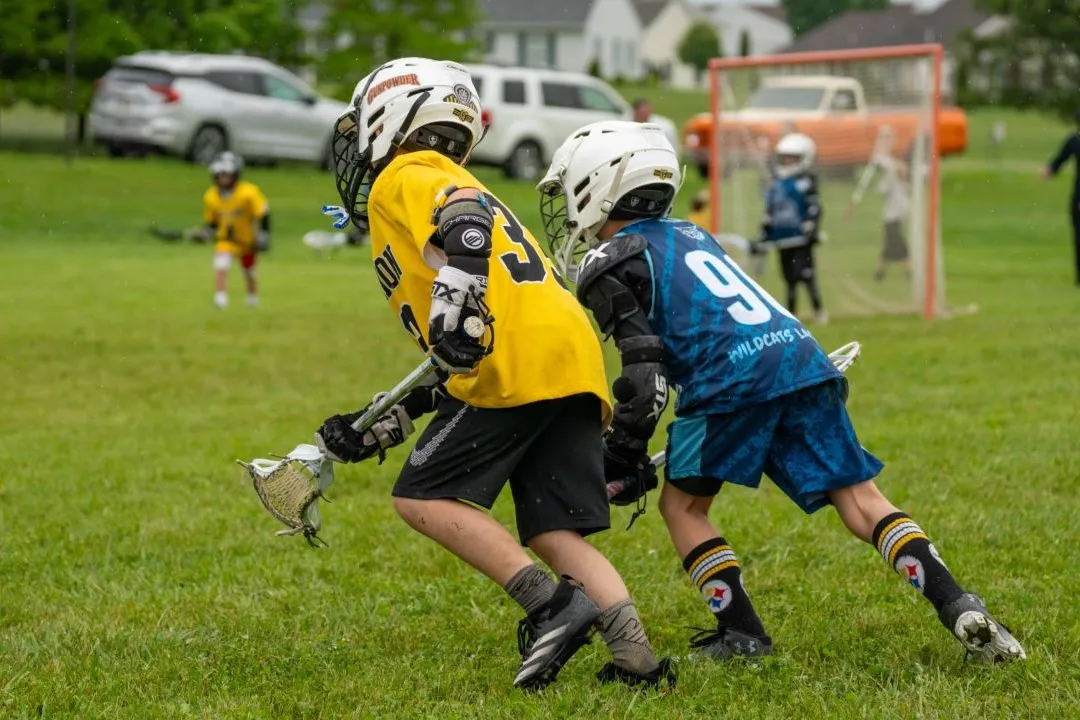
USA Lacrosse is committed to constantly reviewing and updating the rules of the game to ensure that fair and safe play are always prioritized. We write and publish a stand-alone youth rule book for ages 14U and below, and in collaboration with the National Federation of State High School Associations (NFHS), we work together on the rules for boys' high school lacrosse.

Official Rules
Girls' and Women's
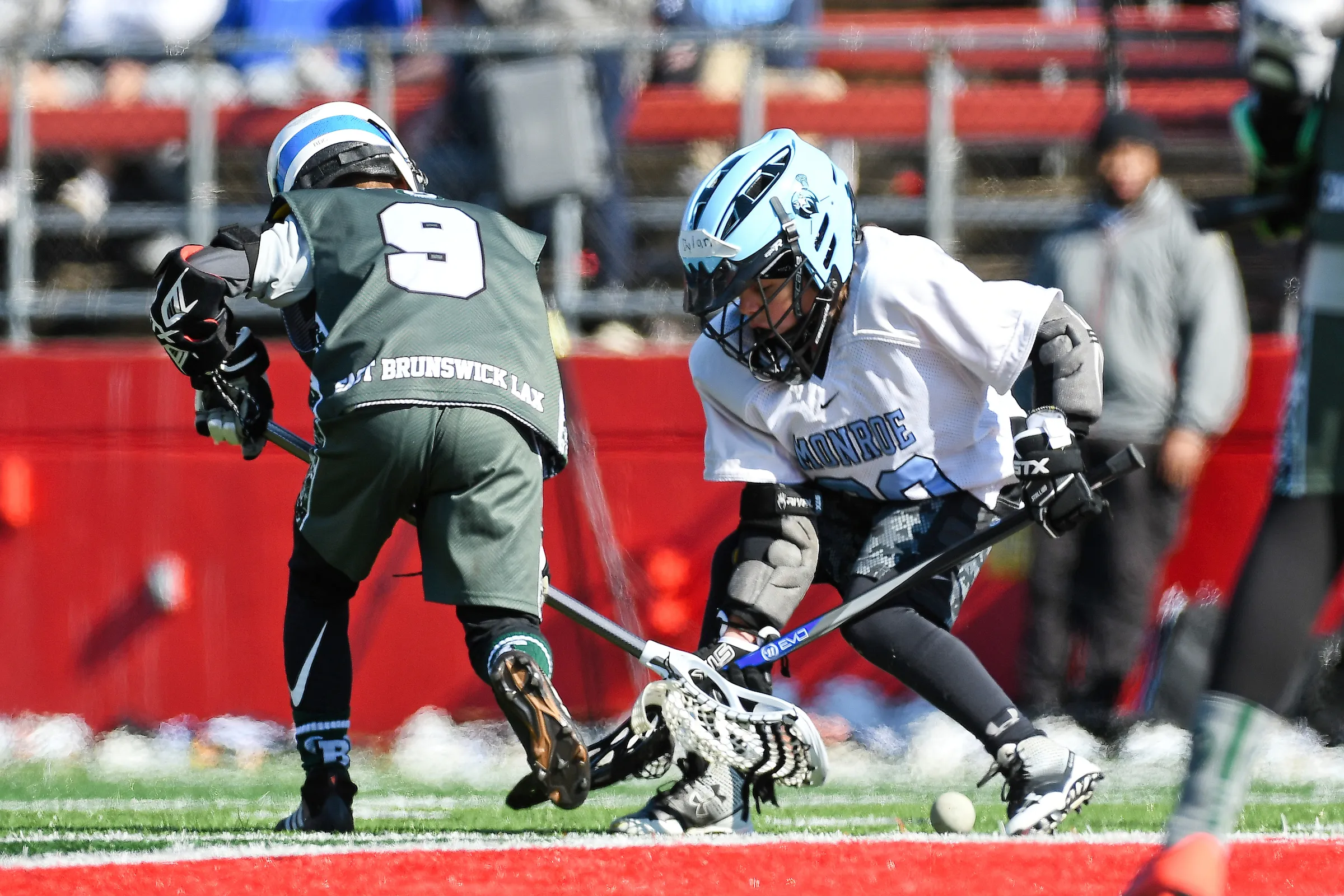
USA Lacrosse writes and publishes a stand-alone youth rule book for girls’ ages 14U and below, and in collaboration with the National Federation of State High School Associations (NFHS), we work together on the rules for high school girls' lacrosse.









Official Rules
Sixes Lacrosse
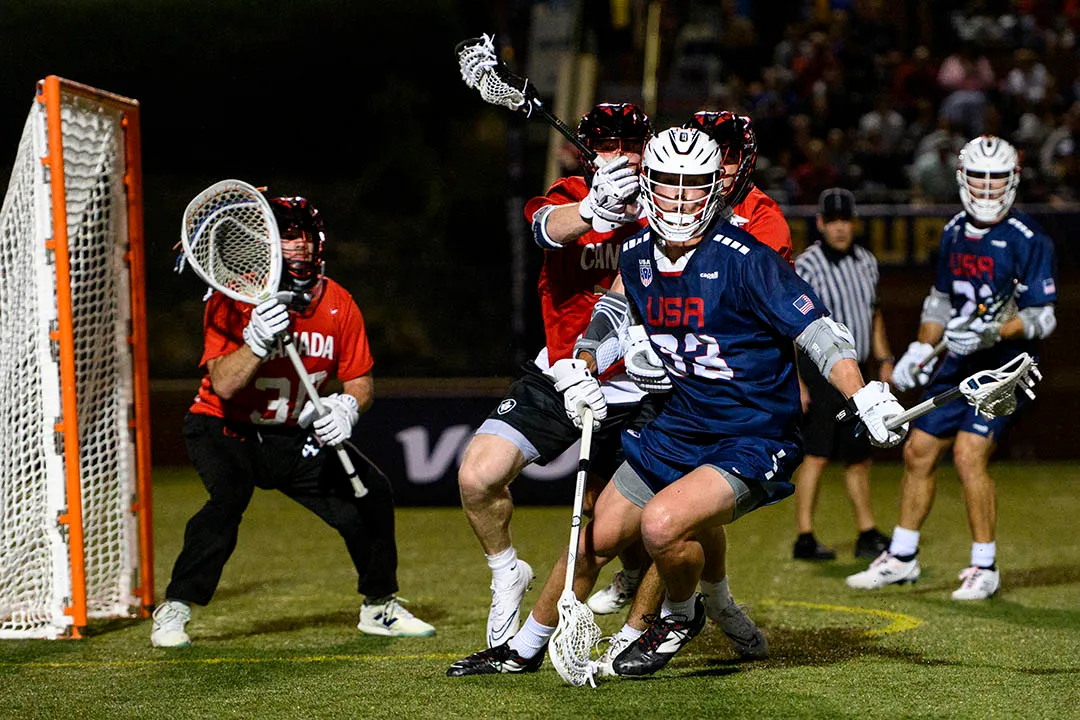
Sixes is a fast-paced, compact version of lacrosse, combining the most exciting elements of the more traditional disciplines. It is characterized by an accelerated, open style of play with quick transitions and non-stop, high-scoring action.
Sixes lacrosse was created in 2018 to accelerate global growth, increase accessibility and approachability, create greater competitive balance, and reduce cost and complexity of participation and event staging. It is the next generation version of the game.
Sixes eliminates specialty positions that lead to competitive imbalance, features a level of physicality that is equally appealing to both men and women, and has reduced equipment and venue needs.
Official Rules
Box Lacrosse
Tight spaces. Fast pace. Quick decision making.
These are just a few of the attributes that describe Box Lacrosse, also known as Indoor Lacrosse. Played within the confines of a multi-sport rink, box lacrosse has a distinct set of rules, apart from the field game. The playing surface is enclosed by boards, usually made of wood or plastic, and each team has six players on the floor - five runners and one goaltender.

Official Rules
Wheelchair Lacrosse
Wheelchair Lacrosse is a fast-paced team sport for athletes with physical disabilities and mobility impairments.
Wheelchair Lacrosse is an extremely diverse and inclusive game played by athletes of all ages, genders, and abilities. Wheelchair Lacrosse offers the complete package for an adaptive team sport — the speed of wheelchair basketball, the skill of sled hockey, and the toughness of wheelchair rugby. The rules for Wheelchair Lacrosse are a mix of Men's Field and Box Lacrosse rules, crafted to enhance player safety and provide consistency and fairness in game play.

Accuracy Counts
Field Diagrams
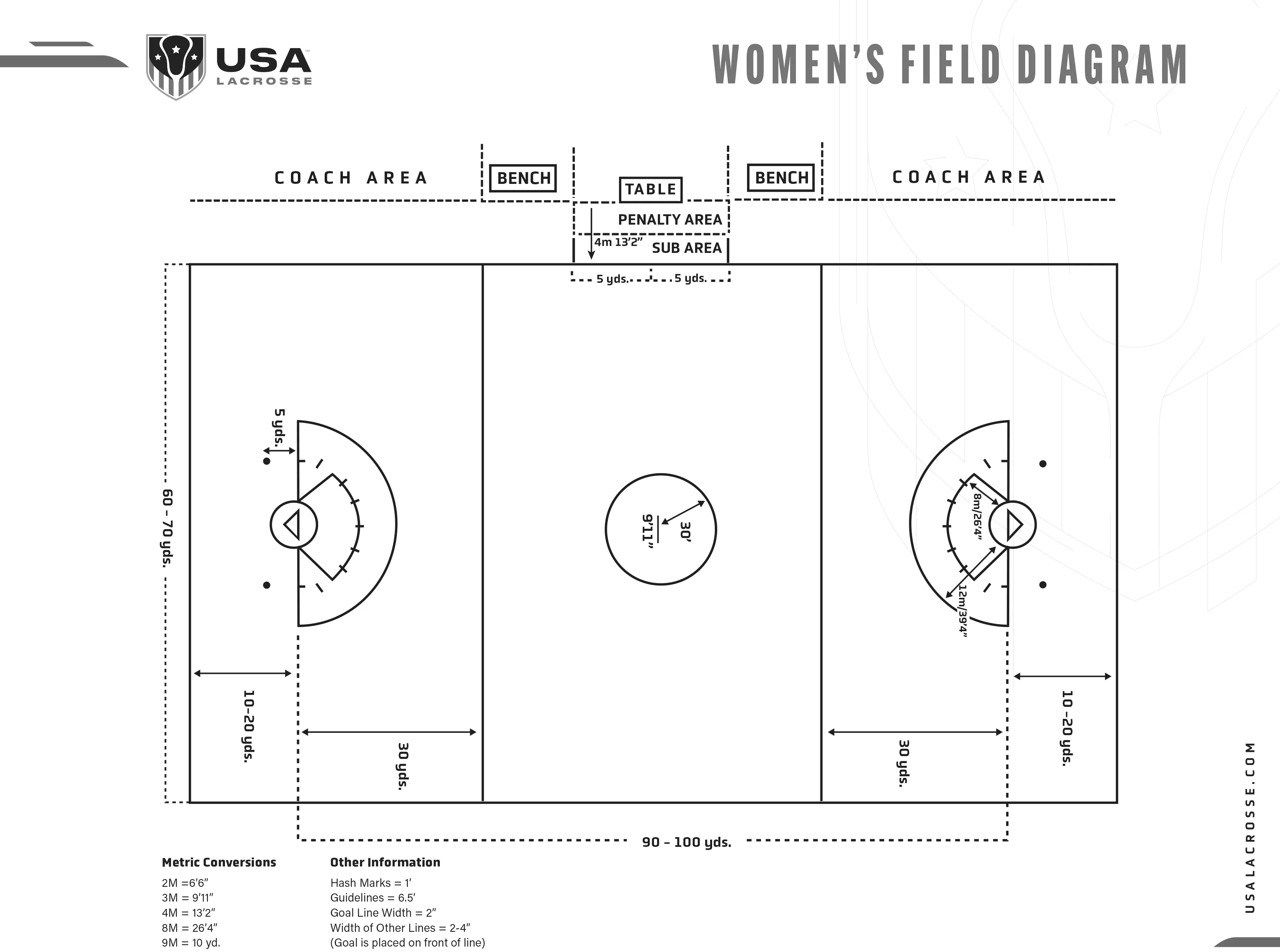
Accurate line marking is critical for fair play. Even small deviations in boundary or goal lines can affect game outcomes, player safety, and compliance with proper standards. Straight, clear lines also help referees and players quickly identify zones, reducing confusion and disputes. USA Lacrosse provides field diagrams and how-to guides to assist you in properly outlining your field dimensions.